
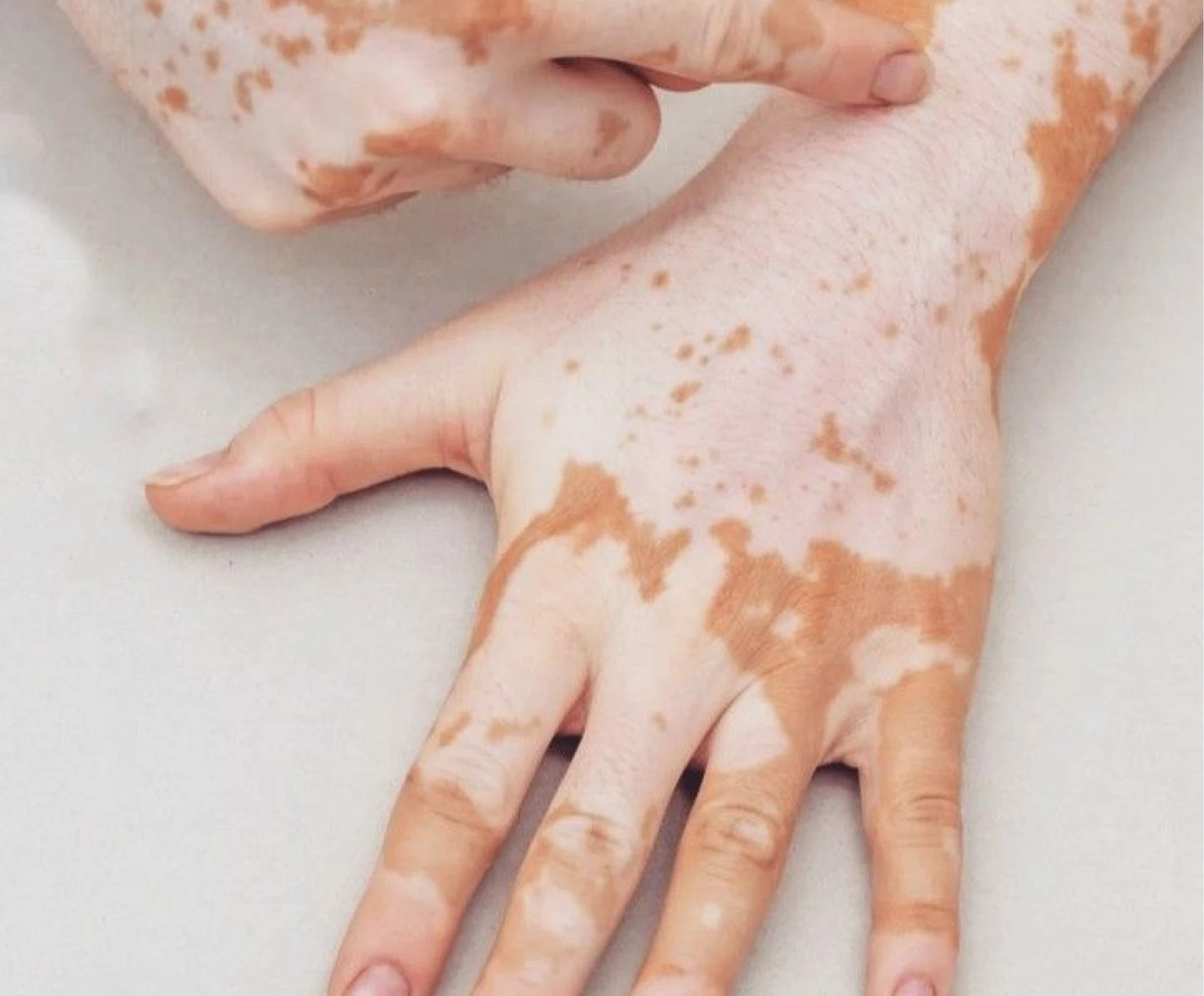
Vitiligo
White patches on skin treatment
Vitiligo is an autoimmune condition that causes white patches on the skin. While there is no permanent cure, advanced treatments can help restore color and stop progression. At Sattva Skin Clinic in Ankleshwar, Gujarat, Dr. Reema Kataria offers compassionate, evidence-based care for vitiligo.
Understanding Vitiligo
Vitiligo is an autoimmune disorder where the body's immune system mistakenly attacks and destroys melanocytes – the cells that produce skin pigment (melanin). This results in smooth, white patches on the skin.
Common symptoms include:
- Affects 1-2% of the global population
- Can start at any age, but 50% of cases begin before age 20
- Not contagious – you cannot catch it from someone
- Not life-threatening, but can significantly impact emotional well-being
- Often associated with other autoimmune conditions (thyroid disorders, alopecia areata)
Vitiligo affects both men and women equally, but its presentation and impact may vary. Women may notice early changes more due to higher cosmetic awareness, especially when patches appear on the face. Men may have more visible patches on exposed areas such as the hands, face, or beard region. The progression of vitiligo varies from person to person and is not strictly dependent on gender. However, the emotional impact can differ, and both may benefit from supportive care alongside medical treatment.
How it may vary
(Men vs Women)
Diagnosis & Assessment
Physical examination
Assessing white patches, borders, and distribution
Wood's Lamp Examination
Special UV light that makes vitiligo patches glow bright white (helps see patches not visible to the naked eye)
Medical history review
Family history of vitiligo or autoimmune diseases, personal history of thyroid disorders
Blood tests
Thyroid function tests (vitiligo is associated with thyroid disease), vitamin B12, and other autoimmune markers
Skin biopsy (if needed)
To confirm diagnosis and rule out other conditions
Our Treatment Approach
Topical Treatments
Topical corticosteroids – Applied once or twice daily to white patches. Most effective on face and neck. Safe for short-term use (3-4 months) under Dr. Reema Kataria's supervision. Side effects: skin thinning, visible blood vessels (reversible if stopped early) Topical calcineurin inhibitors (tacrolimus, pimecrolimus) – Steroid-free option, especially effective for face, eyelids, and genital areas. No risk of skin thinning and safe for long-term use Vitamin D analogues (calcipotriol) – Often used in combination with steroids or phototherapy, and may enhance repigmentation
Phototherapy (Light Therapy) – Most Effective for Widespread Vitiligo
Narrowband UVB (NB-UVB) – Gold standard for widespread vitiligo. Whole body or targeted treatment, 2-3 sessions per week, with repigmentation visible in 3-6 months. Best results on face and trunk; poor results on hands and feet Excimer laser (308nm) – Targeted UVB light for small, localized patches. Ideal for segmental vitiligo or patches on the face, 2 sessions per week, faster results than NB-UVB for small areas PUVA (Psoralen + UVA) – Older treatment, used less often due to side effects. Requires oral or topical psoralen before UVA exposure, with higher risk of skin cancer and burning
Oral Medications (for Rapidly Progressing Vitiligo)
Oral corticosteroids – Low-dose pulse therapy to stop active spread (short-term use) Oral JAK inhibitors (newer) – Advanced treatment for resistant vitiligo
When to Consult
a Dermatologist
You should seek medical care for vitiligo if:
- You notice new white patches appearing on your skin
- Existing white patches are spreading
- You have a family history of vitiligo or autoimmune disease
- White patches are affecting your self-esteem or quality of life
- You want to explore treatment options to restore color
- You have symptoms of thyroid disease (fatigue, weight changes, hair thinning)
Self-Care & Coping
Sun Protection (critical):
White patches have no melanin protection and burn easily
Use SPF 50+ broad-spectrum sunscreen on all white patches
Wear protective clothing and wide-brimmed hats
Avoid peak sun hours (10 AM – 4 PM)
Camouflage Options:
Medical-grade cover creams (Dermablend, Covermark) – waterproof, natural-looking
Self-tanners – Can temporarily color white patches (test patch first)
Makeup – Regular concealer for small patches
Emotional Support:
Vitiligo is not dangerous – it does not affect physical health
Join vitiligo support groups (online or local)
Counseling can help with self-esteem and confidence
Dr. Reema Kataria understands the emotional impact and provides compassionate care

What to Expect
from Treatment
With consistent treatment, patients at Sattva Skin Clinic in Ankleshwar, Gujarat experience: Topical Treatments: Repigmentation begins in 3-6 months (best on face and neck) Phototherapy (NB-UVB): Visible repigmentation in 3-6 months (2-3 sessions per week) Maximum benefit at 12-18 months 60-75% repigmentation possible on face and trunk 20-40% repigmentation on hands and feet Vitiligo is chronic. Even with successful repigmentation, new patches may appear. Maintenance treatment may be needed.
Vitiligo is a skin condition where white patches appear due to loss of melanin pigment. At Sattva Skin Clinic, Ankleshwar, Gujarat, Dr. Reema Kataria evaluates the condition carefully and provides personalized treatment. Early diagnosis helps control progression and improve skin appearance.
Vitiligo may occur due to autoimmune conditions, genetics, or environmental triggers. Dr. Reema Kataria at Sattva Skin Clinic, Ankleshwar identifies possible causes and recommends suitable treatment. Proper care helps slow down progression.
Vitiligo is not contagious and does not spread through contact. At Sattva Skin Clinic, Ankleshwar, Gujarat, Dr. Reema Kataria educates patients and provides treatment to improve pigmentation. The condition only affects skin color.
Anyone experiencing white patches on the skin should consult Dr. Reema Kataria at Sattva Skin Clinic, Ankleshwar. Early evaluation helps manage the condition effectively and prevent spreading.
Vitiligo treatment includes medications, topical therapy, and advanced dermatological procedures. Dr. Reema Kataria at Sattva Skin Clinic provides personalized treatment plans. This helps improve pigmentation gradually.
Vitiligo treatment duration depends on severity and response to therapy. Some patients notice gradual improvement over time. Dr. Reema Kataria monitors progress regularly at Sattva Skin Clinic.
Vitiligo may spread gradually if untreated. Early consultation at Sattva Skin Clinic, Ankleshwar helps control progression. Dr. Reema Kataria provides proper guidance and treatment.
Vitiligo treatment at Sattva Skin Clinic, Ankleshwar, Gujarat is safe and customized according to patient needs. Dr. Reema Kataria uses clinically approved methods. This ensures effective care.
Symptoms include white patches on face, hands, and other areas of the body. Some patients may experience gradual spread. Early diagnosis improves treatment outcomes.
Consult Dr. Reema Kataria at Sattva Skin Clinic, Ankleshwar, Gujarat immediately if you notice new white patches on your skin or existing patches are spreading. Early treatment helps control progression and improves repigmentation outcomes.
Frequently asked questions
Have questions? Here are answers to help you understand the treatment better.

Eczema
Dry, itchy, inflamed skin treatment
Psoriasis
Chronic scaly and itchy skin patches

Acne & Acne Scars
Pimples, blackheads, acne scars treatment

Pigmentary Disorders Treatment
Dark spots, uneven skin tone, pigmentation

Keloid
Raised scars treatment

Lipoma Removal
Non-cancerous fatty lumps removal

Earlobe Repair
Torn or stretched earlobe correction
Nail Avulsion
Ingrown nail & nail infection treatment