
Nail Avulsion
Ingrown nail & nail infection treatment
Nail avulsion is a minor surgical procedure to remove all or part of a problematic nail. It is commonly performed for ingrown toenails, thickened fungal nails, or traumatic nail injuries. At Sattva Skin Clinic in Ankleshwar, Gujarat, Dr. Reema Kataria performs safe, in-office nail avulsion with minimal discomfort.
Understanding Nail Avulsion
Nail avulsion is the controlled, surgical removal of a fingernail or toenail. It can be a partial nail avulsion – removal of a small portion of the nail, usually the side edge – or a total nail avulsion, removal of the entire nail.
Common symptoms include:
- Ingrown toenail – Nail edge grows into the skin, causing pain, redness, and infection
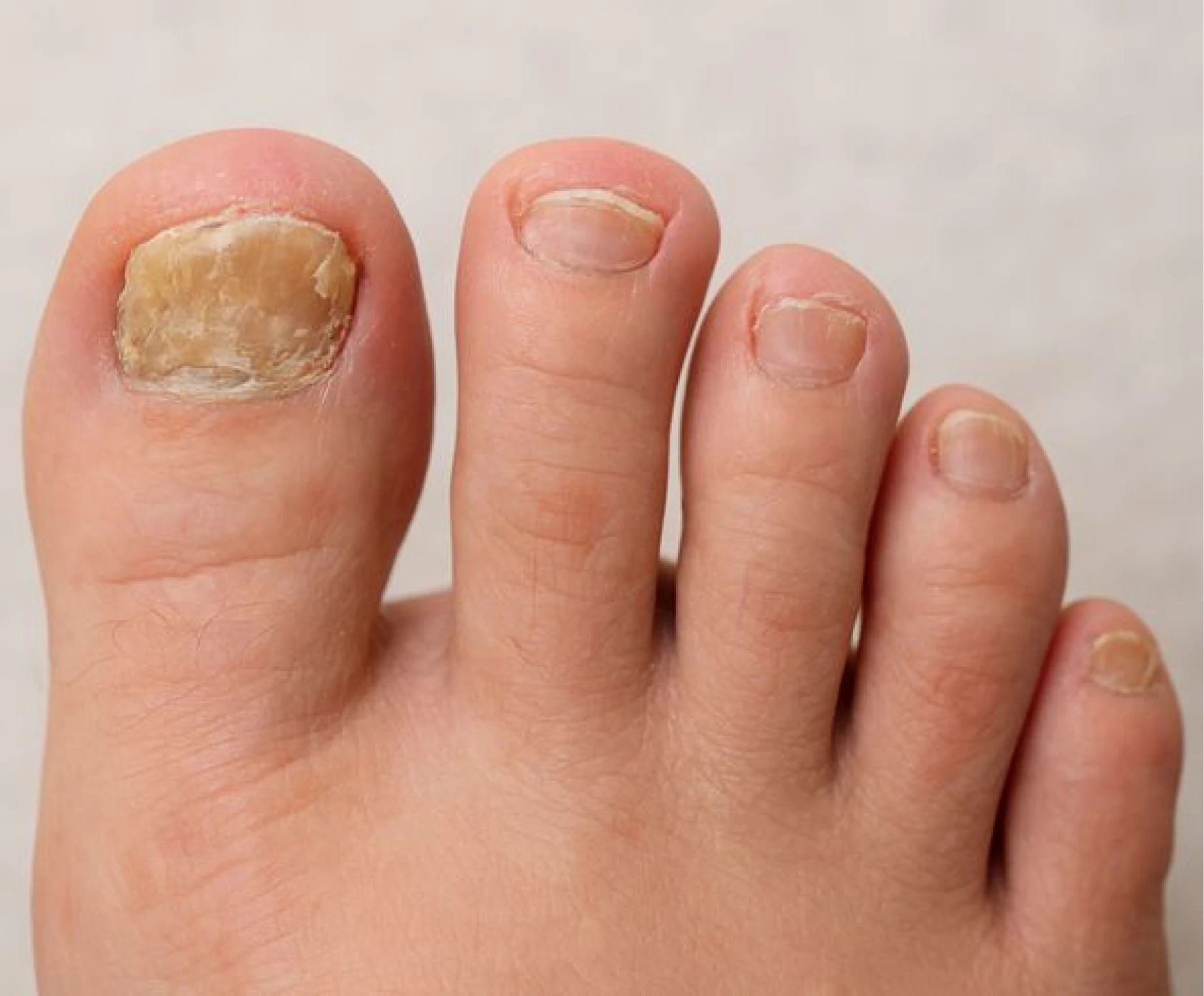
- Thickened fungal nail – Nail becomes thick, crumbly, and painful (onychomycosis)
- Traumatic nail injury – Nail is crushed, torn, or damaged beyond repair
- Chronic nail pain – Persistent pain from a deformed or damaged nail
- Nail bed biopsy – To diagnose nail conditions or tumors
- Recurrent nail infections – When conservative treatments have failed
Nail conditions requiring avulsion can affect both men and women, but the causes may differ slightly. Men are more likely to develop ingrown nails due to tight footwear, sports activities, or improper nail trimming habits. Women may experience nail issues related to cosmetic procedures, frequent nail care, or footwear that puts pressure on the nails. Fungal infections can occur in both, influenced by hygiene and lifestyle factors. While the causes may vary, the procedure and recovery process remain similar for both.
How it may vary
(Men vs Women)
Diagnosis & Assessment
Physical examination
Assessing nail shape, thickness, color, and surrounding skin
Medical history review
Diabetes, circulation problems, bleeding disorders, previous nail issues
Infection assessment
Checking for redness, swelling, warmth, or pus (paronychia)
X-ray (if needed)
To rule out underlying bone infection or injury
Nail clipping for fungal culture
To confirm fungal infection before avulsion
Patients with diabetes, peripheral artery disease, or bleeding disorders require special consideration. Dr. Reema Kataria will evaluate your medical history before recommending nail avulsion.
How Nail Avulsion Works
Consultation & Marking
Dr. Reema Kataria examines your nail, discusses your options (partial vs. total, with or without matrixectomy), and answers your questions.
Local Anesthesia
The toe or finger is numbed with local anesthetic (lidocaine injection). You remain awake but feel no pain. The injection may sting briefly.
Tourniquet (if needed)
A small rubber band (tourniquet) may be placed at the base of the toe or finger to reduce bleeding during the procedure.
Nail Separation
A small instrument is gently inserted between the nail plate and nail bed to separate the nail from underlying tissue.
Removal
Partial avulsion: The affected side edge is cut and pulled out Total avulsion: The entire nail is grasped and gently pulled out
Matrixectomy (optional)
If permanent removal is desired, the nail matrix (root) is destroyed using: Chemical phenol – Most common, effective Laser – Alternative method Surgical excision – Cutting out the matrix
Dressing
Antibiotic ointment is applied, and a sterile bandage is placed.
When to Consider Nail Avulsion
Conservative treatments (soaking, antibiotics, antifungal creams, proper trimming) are always tried first. Nail avulsion is considered when:
- Ingrown toenail recurs despite proper care
- Severe pain interfering with walking or wearing shoes
- Infection spreads to surrounding skin or bone
- Thickened fungal nail does not respond to topical or oral antifungals
- Nail deformity causes chronic discomfort
- Nail is non-viable (dead, detached, or severely damaged)
Recovery & Aftercare
First 24-48 hours:
Keep bandage dry and in place
Elevate foot (if toe) to reduce swelling
Apply ice pack (wrapped in cloth) for 15 minutes every hour
Take prescribed pain reliever if needed
Days 2-7:
Soak the toe or finger in warm salt water (1 teaspoon salt in 1 liter warm water) for 10-15 minutes, 2-3 times daily
Apply antibiotic ointment after each soak
Change bandage daily
Wear open-toed shoes or loose-fitting shoes (if toe)
Week 2-4:
Nail bed will form a hard crust (this is normal – it protects the underlying tissue)
Continue daily soaks and bandage changes
Avoid soaking in public pools, hot tubs, or baths
Healing timeline:
Partial avulsion without matrixectomy: Nail regrows in 3-6 months
Total avulsion without matrixectomy: Nail regrows in 6-12 months (may regrow deformed)
With matrixectomy: Nail will not regrow (permanent removal)
When to call the clinic
- Signs of infection (increasing redness, warmth, swelling, pus, fever)
- Excessive bleeding
- Severe pain not relieved by medication
What to Expect
from Treatment
With consistent care at Sattva Skin Clinic, patients typically experience reduced redness and relief within 3 to 7 days, followed by significant structural barrier improvement and clarity within 2 to 4 weeks.
Nail avulsion is a minor surgical procedure where part or the entire damaged nail is removed. It is commonly done for ingrown nails, infections, or trauma. At Sattva Skin Clinic, Ankleshwar, Gujarat, Dr. Reema Kataria performs nail avulsion safely with proper care.
Nail avulsion is recommended for individuals with painful ingrown nails, nail infections, or damaged nails. Dr. Reema Kataria at Sattva Skin Clinic, Ankleshwar evaluates the condition and suggests appropriate treatment. Early treatment helps relieve pain and prevent complications.
Nail avulsion is performed under local anesthesia to ensure comfort. The affected nail portion is carefully removed and cleaned to promote healing. At Sattva Skin Clinic, Ankleshwar, Gujarat, Dr. Reema Kataria ensures a safe and sterile procedure.
The procedure is usually painless because local anesthesia is applied before treatment. Patients may experience mild discomfort after the procedure. Dr. Reema Kataria provides proper care instructions at Sattva Skin Clinic, Ankleshwar.
Nail avulsion usually takes around 15 to 30 minutes depending on the severity. It is a quick outpatient procedure. At Sattva Skin Clinic, Ankleshwar, Gujarat, Dr. Reema Kataria performs the treatment efficiently.
Downtime after nail avulsion is minimal. Patients can resume routine activities with proper care. Dr. Reema Kataria provides aftercare instructions at Sattva Skin Clinic, Ankleshwar to ensure smooth recovery.
Healing usually takes a few weeks depending on the condition and care. Proper hygiene and care help faster healing. Dr. Reema Kataria monitors recovery at Sattva Skin Clinic, Ankleshwar.
In most cases, the nail grows back naturally after the procedure. Growth depends on the nail condition and treatment type. Dr. Reema Kataria explains the expected results at Sattva Skin Clinic, Ankleshwar, Gujarat.
Nail avulsion helps relieve pain, remove infection, and improve nail health. It is a safe and effective solution for persistent nail problems. At Sattva Skin Clinic, Ankleshwar, treatment is performed carefully.
If you experience severe pain, swelling, infection, or ingrown nails, consult early. Dr. Reema Kataria at Sattva Skin Clinic, Ankleshwar provides proper evaluation and treatment.
Frequently asked questions
Have questions? Here are answers to help you understand the treatment better.
Eczema
Dry, itchy, inflamed skin treatment
Psoriasis
Chronic scaly and itchy skin patches

Acne & Acne Scars
Pimples, blackheads, acne scars treatment

Pigmentary Disorders Treatment
Dark spots, uneven skin tone, pigmentation
Vitiligo
White patches on skin treatment
Keloid
Raised scars treatment
Lipoma Removal
Non-cancerous fatty lumps removal

Earlobe Repair
Torn or stretched earlobe correction